The EMC standards by the international and European committees IEC/CISPR (first meeting in 1933, evolving up to today) and the EMC regulations by the United States’ FCC (first emission limits set in 1979) have been shaping the landscape of EMC testing on a global scale. Many countries and customs unions are adopting the EMC standards and regulations from IEC/CISPR and FCC. This is why the focus of this website lays primarily on IEC/CISPR and FCC standards and regulations.
The major differences between FCC regulations and IEC/CISPR standards are:
- Rules vs. Standards. The FCC publishes legally binding rules and regulations (47 CFR), which contain concrete emission limits or in the case of FCC MP-5-1986 even test methods for FCC Part 18 (ISM equipment). On the other side, IEC and CISPR publish EMC standards. These standards are by their nature not legally binding. They can become legally binding if a country or customs union (e.g. EU) decides to:
Adopt these standards into national (legally binding) standards.
Refer to these standards from their law (regulations, directives). This is e.g. the case for the EU, where the EU publishes via its Official Journal, which EMC standards are to apply so that a product gets the presumption of conformity status.
- Immunity. As of today [2022], the FCC regulations do not specify a level of electromagnetic immunity/susceptibility. However, there are plenty of IEC immunity standards defined.
- Conducted Emission – FCC Part 15 / unintentional radiators. The conducted emission limits for FCC Part 15 (public AC mains port connection, 47 CFR 15.107) are identical to the CISPR 32 limits (commission amending of FCC in 2002).
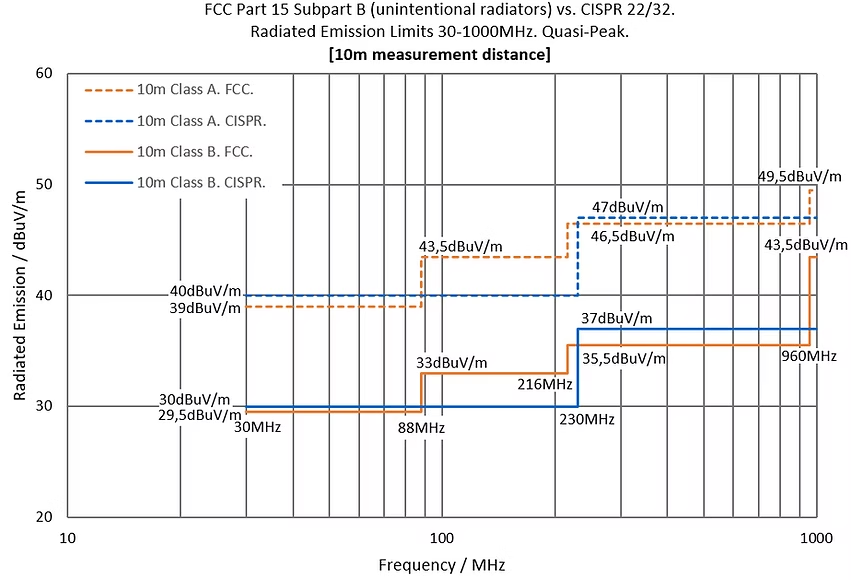
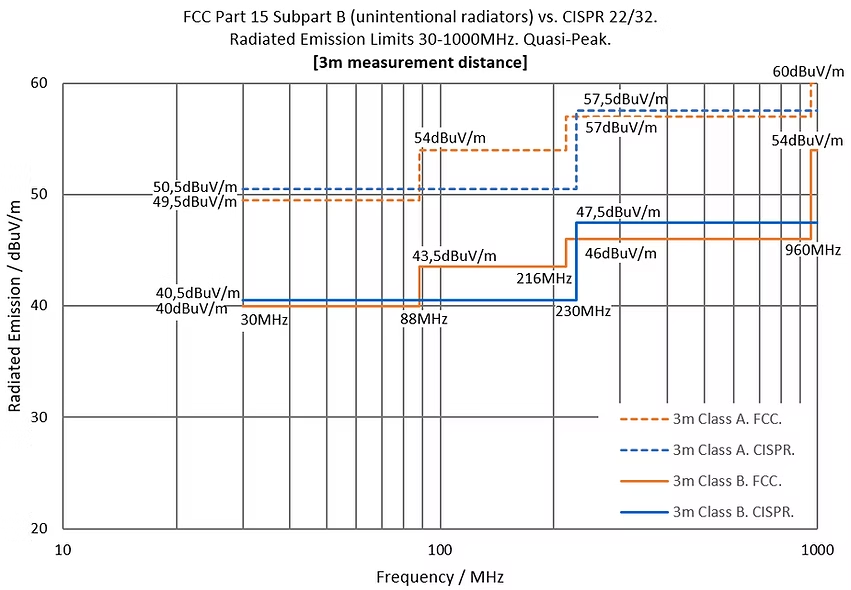
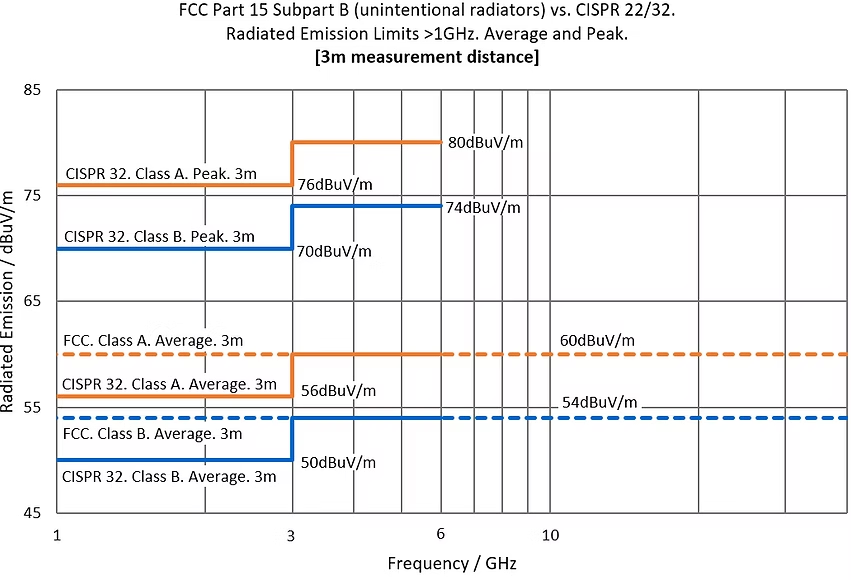
- Radiated Emission – FCC Part 15 / unintentional radiators. The FCC released a document that describes the applicability of CISPR standards for FCC 15 subpart B (unintentional radiators) approval.
The graphs below show the comparison of the FCC Part 15 vs. CISPR 22 / CISPR 32 limits for unintentional radiators in the frequency range from 30MHz up to 6GHz.
A Practical Manual from Fundamentals to Test (EMC)
Free EMC Compliance Tools
Radiated Emissions EN55032
Monthly Standards Watch — August 2026
ISO 9001:2026 what does this mean for your business?
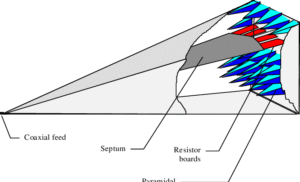
Power needed for TEM Cell
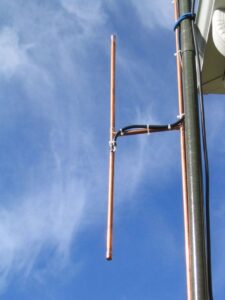
Dipole Antenna Length Calculator
Amps to dBm Calculator