The global electromagnetic compatibility (EMC) test laboratory market is poised for significant expansion over the next decade. According to recent industry forecasts, the market’s size is projected to grow from approximately USD 1.6 billion in 2025 to nearly USD 2.9 billion by 2035, representing a robust compound annual growth rate (CAGR) of around 6.5 %. This translates into roughly a near doubling of market value over ten years, driven by several converging technological, regulatory, and industrial trends. As electronic systems become more pervasive and complex across industries — from automotive and telecommunications to aerospace and consumer electronics — the demand for comprehensive EMC testing and certification services continues to rise.
One of the key factors fueling this market growth is the proliferation of advanced electronic devices and smart systems. The increasing integration of high-frequency wireless technologies, electric drive systems, and electronic control units requires more rigorous validation to ensure products are electromagnetically compatible. In sectors such as automotive — especially with the electrification and autonomy of vehicles — EMC testing is no longer optional; compliance is mandatory to meet safety and regulatory standards. The complexity of managing signal integrity and mitigating interference in connected, high-speed electronics further amplifies the need for specialized EMC laboratory services.
Another major driver is the tightening of global regulatory environments. Governments and standards bodies around the world are continuously updating EMC requirements as part of product safety and performance mandates. Manufacturers aiming for global market access must demonstrate compliance with a growing array of regional and international standards (e.g., FCC, CISPR, CE). These certification requirements increase testing volumes and broaden the scope of services needed from EMC test facilities. Testing labs that maintain global accreditations and can support multi-jurisdictional compliance are particularly well positioned to capture this demand surge.
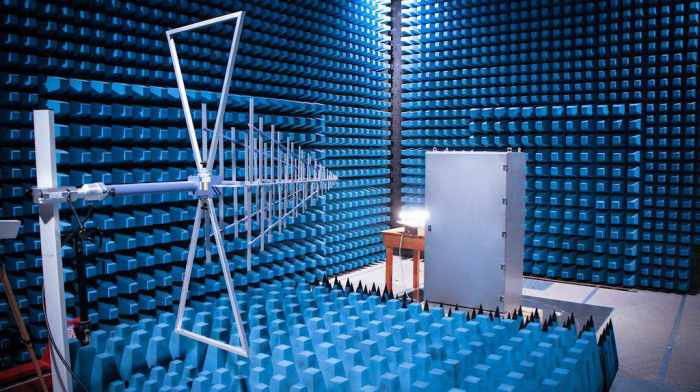
In response to market pressures, EMC test laboratories are also expanding their technical capabilities. Beyond traditional emissions and immunity tests, many facilities are investing in advanced infrastructure such as semi-anechoic and fully anechoic chambers, automated measurement systems, and state-of-the-art instrumentation to support emerging technologies like 5G, Internet of Things (IoT), and high-speed automotive electronics. Geographically, while North America and Europe maintain well-established testing networks under stringent compliance frameworks, the Asia-Pacific region is identified as one of the fastest growing markets, driven by large-scale electronics manufacturing and export-oriented production hubs.
For manufacturers and product developers, this market expansion underscores the increasing importance of early and thorough EMC planning. With EMC laboratory capacity growing and services becoming more sophisticated, companies have more options to integrate pre-compliance testing and verification into earlier phases of design — reducing the risk of costly redesigns and delays later. In a landscape where electromagnetic interference can directly impact product reliability, safety, and time-to-market, leveraging the expanding EMC test lab ecosystem will be a critical competitive advantage.
Asia-Pacific: Fastest Growth and Largest Market Share
Asia-Pacific leads the global EMC testing and lab services market, driven by robust electronics manufacturing, rapid adoption of new technologies, and strong export-oriented production hubs. Countries like China, Japan, South Korea, and India are at the forefront of this growth. China alone is projected to grow at one of the highest compound annual growth rates (CAGR) globally, reflecting aggressive investment in industrial automation, telecommunications equipment, electric vehicles, and semiconductor testing infrastructure.
Strong demand for 5G/6G components, consumer electronics, and electric automotive systems is fuelling the need for EMC test labs that can validate compliance across complex high-frequency, dense-integration designs. Manufacturing and regulatory environments in this region are emphasising quality verification early in product lifecycles, leading to a growing number of accredited laboratories and on-site testing facilities.
🇺🇸 North America: Maturity and Strong Regulatory Demand
North America maintains a major role in the EMC lab and testing landscape, particularly in the United States and Canada. The region’s growth is steady, supported by well-established regulatory frameworks such as the FCC (Federal Communications Commission) and strong compliance oversight in sectors like aerospace, defence, automotive, medical devices, and telecommunications.
The presence of cutting-edge research institutions and advanced manufacturing drives ongoing demand for sophisticated EMC test services. In particular, electric vehicles, advanced driver assistance systems (ADAS), and wireless communication technologies require extensive emissions and immunity testing — bolstering the importance of North American labs for both local manufacturers and export certification.
🇪🇺 Europe: Harmonised Standards and Automotive Leadership
Europe is another key regional market for EMC test labs. Countries including Germany, the United Kingdom, and France account for a significant share of EMC testing activity across the continent. The region benefits from harmonised EMC requirements under the EU EMC Directive and CE marking system, which standardise compliance and encourage industry-wide investment in testing infrastructure.
Europe’s strong automotive and industrial sectors — especially in countries like Germany — generate persistent demand for EMC services, particularly related to electrification, renewable energy integration, and automation. The region is also innovating in test methods and chamber technologies to support high-speed electronics and connected systems.
Emerging Regions: Middle East, Africa, Latin America
Although smaller in overall market share compared to Asia-Pacific, North America, and Europe, the Middle East, Africa, and Latin America are emerging as incremental growth regions for EMC testing. Telecom infrastructure expansion, renewable energy projects, and smart city development in countries such as the UAE, Saudi Arabia, Brazil, and Mexico are creating new testing needs.
Infrastructure growth and regulatory alignment across these regions are gradually increasing local testing capabilities, though many manufacturers still rely on accredited labs in larger markets for advanced compliance certifications.

PFAS restriction under the REACH framework
REACH 4 February 2026 Candidate Update
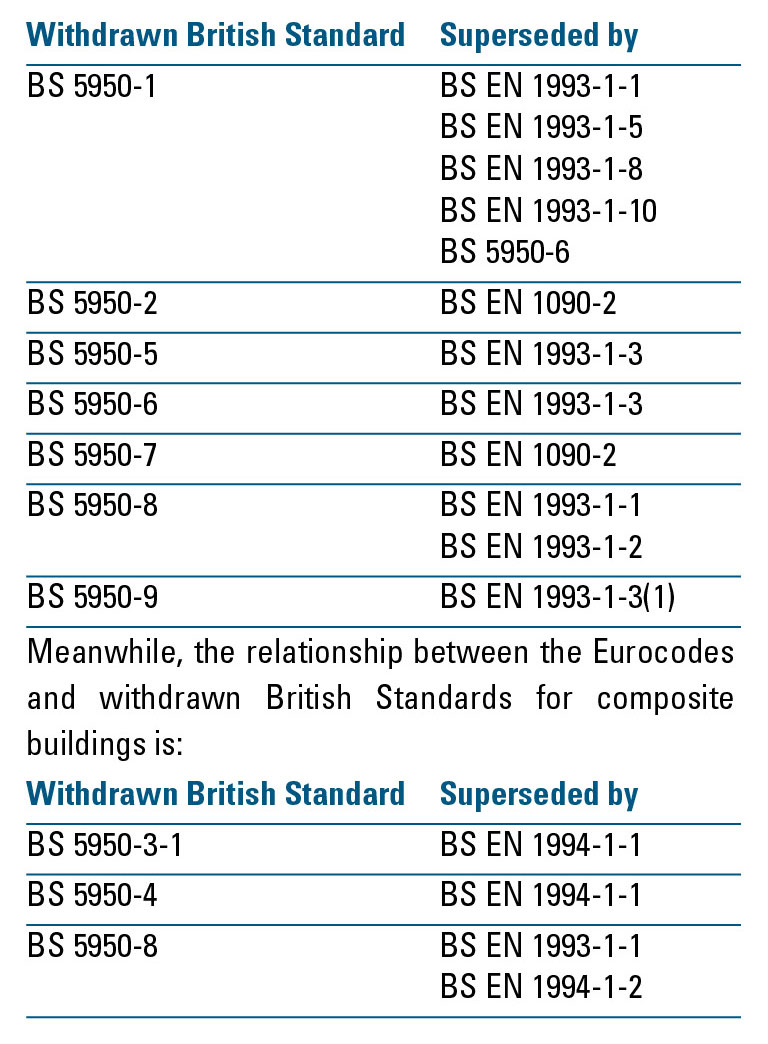
Recent EMC Standards Removed from the Harmonised List
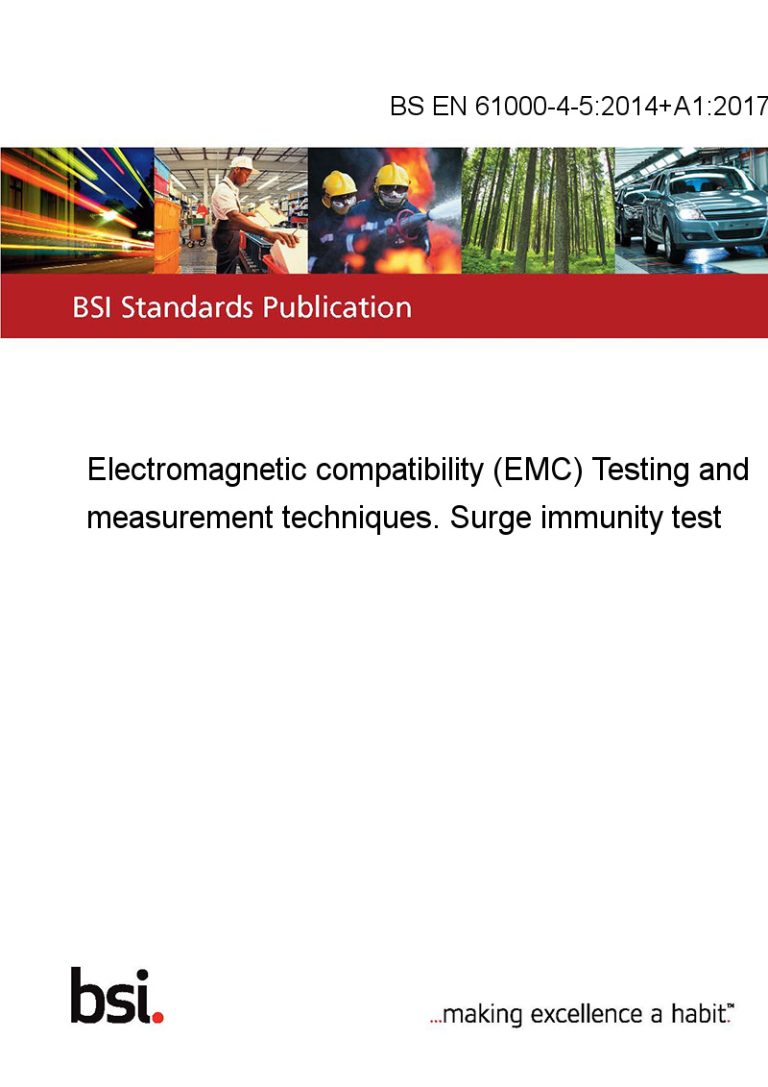
Updated Standard
New and Revised Standards for EMC Measurements
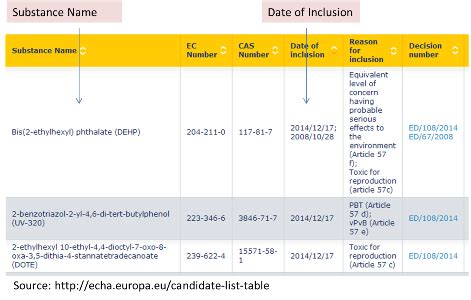
ECHA Publishes February 2026 REACH SVHC Update: Two New Substances Added