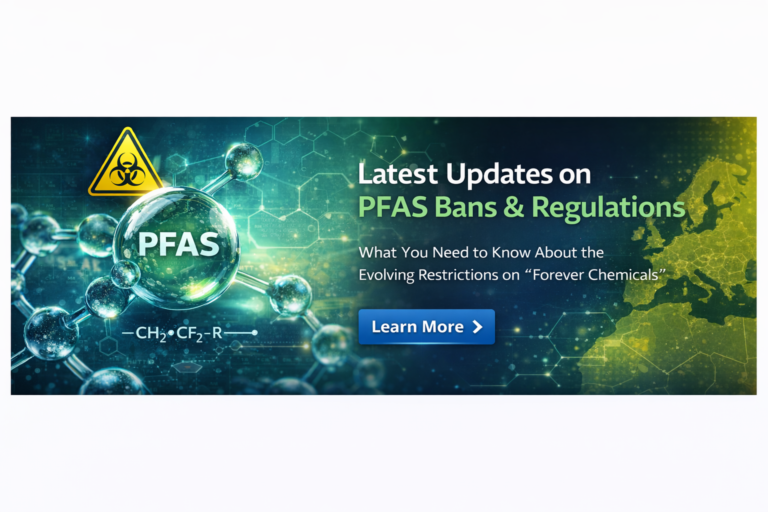
Per- and polyfluoroalkyl substances (PFAS), often called “forever chemicals” due to their persistence in the environment, are facing increasingly strict regulations worldwide. These chemicals have been widely used in industrial processes, consumer products, food packaging, textiles, and firefighting foams. Because of their persistence and potential health impacts, regulators are moving toward broad restrictions and outright bans in many applications, particularly in the European Union, North America, and parts of Asia.
In Europe, the EU is advancing a sweeping PFAS restriction under the REACH framework, which would apply to thousands of PFAS compounds across multiple industries. This class-based approach aims to eliminate the manufacture, sale, and use of these chemicals unless explicitly exempted. The European Chemicals Agency (ECHA) has been reviewing proposals, with opinions and detailed restrictions expected to come into effect in 2026. While some industrial sectors may be granted phased exemptions due to technical needs, the overall regulatory trend is toward near-complete elimination of PFAS in consumer and industrial products.
Several EU countries have also taken unilateral action. For example, France implemented a nationwide ban on PFAS in cosmetics and textiles starting January 1, 2026, targeting clothing, personal care items, and similar consumer goods. Other initiatives include tighter controls on PFAS in toys and food contact materials, alongside new requirements for monitoring PFAS in drinking water. These measures are part of a broader push to protect public health, particularly for children and vulnerable populations, from long-term chemical exposure.
Outside the EU, regulatory activity is also increasing. In the United States, individual states such as New York City are introducing legislation to ban PFAS in firefighting gear and other specific products. Similar restrictions are being considered in other states, while national limits on drinking water PFAS remain under discussion. In Asia, countries like India are moving to prohibit PFAS in food packaging to reduce human exposure.
The financial and public health impacts of PFAS contamination are substantial. Recent studies estimate that the cost of addressing PFAS pollution in Europe alone could reach hundreds of billions of euros by 2050 if action is delayed. These figures underscore why regulators are now pursuing aggressive, class-based restrictions and why manufacturers must carefully review their supply chains and product formulations. Overall, the global trend is clear: PFAS are increasingly being eliminated from consumer products and industrial applications, and companies must plan proactively to comply with current and upcoming bans
PFAS restriction under the REACH framework
REACH 4 February 2026 Candidate Update
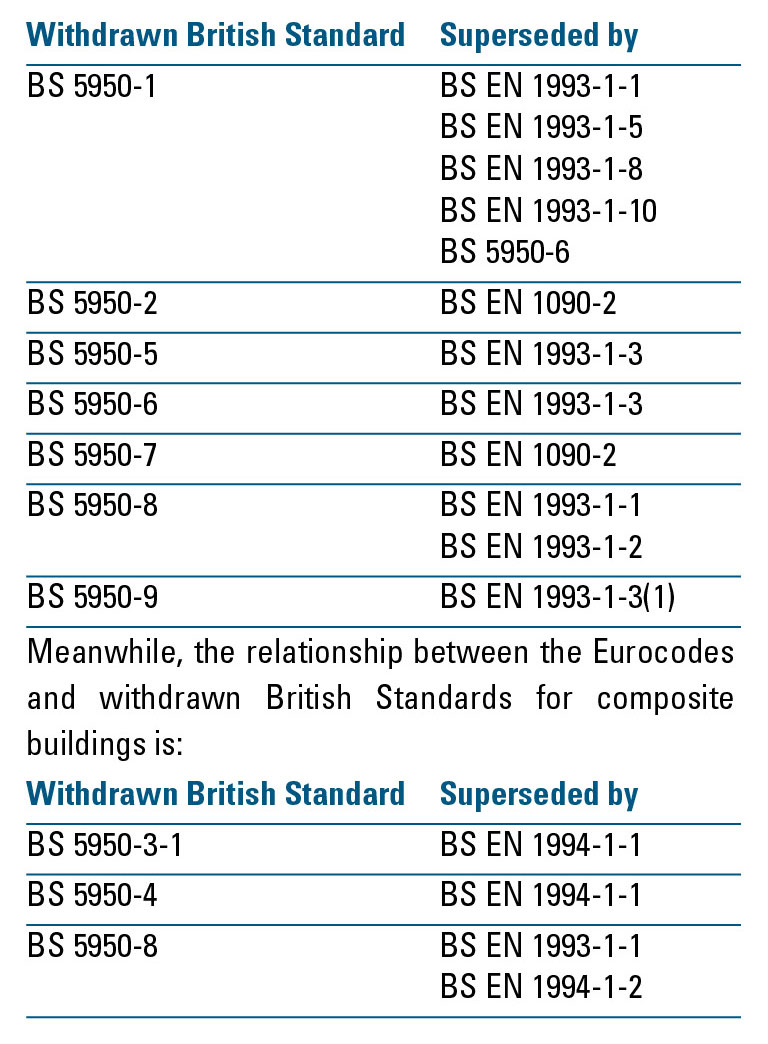
Recent EMC Standards Removed from the Harmonised List
Updated Standard
New and Revised Standards for EMC Measurements
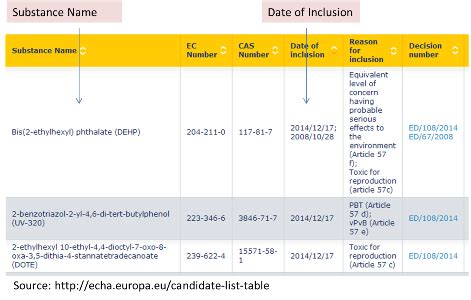
ECHA Publishes February 2026 REACH SVHC Update: Two New Substances Added

MC Test Lab Market Expected to Nearly Double in the Next Ten Years