The rapid growth of connected devices has led to an important shift in product safety standards. Technologies such as Wi-Fi and Bluetooth were originally treated primarily as radio functions governed by radio spectrum and electromagnetic compatibility regulations. However, as wireless connectivity has become embedded in everyday products—from consumer electronics and smart home systems to industrial equipment and medical devices—regulators have begun incorporating these technologies more directly into safety and security standards.
Historically, wireless modules were often considered separate from the core safety evaluation of a product. A device might undergo testing for electrical safety and electromagnetic compatibility, while the wireless function was assessed mainly for radio performance and spectrum use. With the increasing integration of wireless connectivity into critical systems, this separation is no longer sufficient. Modern safety standards now recognize that wireless interfaces can influence both the operational safety and the security of the overall system.
One reason for this change is that Wi-Fi and Bluetooth connectivity can affect how devices behave in real-world environments. Wireless control functions, remote firmware updates, and cloud connectivity mean that devices may be operated or modified remotely. Safety standards are therefore evolving to consider risks such as unauthorized access, loss of communication, interference affecting device operation, and the potential for software updates to alter safety-critical behavior. Ensuring that wireless communication does not compromise the safe functioning of equipment is becoming a key part of compliance assessments.
In addition, the increasing number of connected devices has created new cybersecurity concerns. Products with Wi-Fi or Bluetooth connectivity may be vulnerable to hacking, data theft, or malicious control if they are not designed with appropriate protections. Safety and regulatory frameworks are therefore expanding to include requirements for secure communication, protection of personal data, and safeguards against misuse of connected devices. These considerations are particularly important for consumer IoT products, smart home equipment, wearable devices, and industrial control systems.
Regulators and standards bodies are responding by integrating wireless functionality into broader product safety frameworks. Requirements increasingly address secure software updates, authentication of connected devices, protection of user data, and resilience against network-based attacks. In Europe, developments within the Radio Equipment Directive and related standards reflect this trend, while internationally there is growing emphasis on cybersecurity and functional safety for connected products.
For manufacturers, the implication is that wireless functionality can no longer be treated as an isolated design feature. Products incorporating Wi-Fi, Bluetooth, or other radio technologies must now be evaluated from a holistic perspective that includes electrical safety, EMC, radio performance, and cybersecurity. Early consideration of these requirements during the design phase can significantly reduce compliance risks and help ensure that connected products meet the evolving expectations of global safety standards.
Standards
- European Union (EU) – Radio Equipment Directive (RED) Updates
- RED Delegated Regulation 2022/30 – Cybersecurity requirements for networked radio equipment, including Wi-Fi and Bluetooth.
- EN 62368-1 (Audio/Video, Information & Communication Technology Equipment) – Safety standard now widely applied to connected devices; expects consideration of network risks.
- EN IEC 63000 / REACH / RoHS – Environmental and material compliance, increasingly enforced for electronics with wireless interfaces.
- Upcoming Cyber Resilience Act (CRA) – Expected to harmonize cybersecurity and functional safety for all digital products, including wireless IoT.
- International / Global Standards
- IEC 62368-1 – Functional safety and hazard-based standard for IT/AV equipment with network connectivity.
- IEC 62443 series – Industrial automation and control systems; provides cybersecurity frameworks for connected devices.
- ISO/IEC 27001 – Information security management systems; sometimes applied to devices handling sensitive data.
- ISO/IEC 62479 – Human exposure to electromagnetic fields from low-power wireless devices (Wi-Fi, Bluetooth).
- Wireless-Specific Safety & Performance Standards
- EN 300 328 – 2.4 GHz wideband transmission systems (Wi-Fi, Bluetooth) for radio spectrum compliance.
- EN 301 893 – 5 GHz Wi-Fi band (802.11a/n/ac/ax) compliance.
- IEEE 802.11x series – Technical standard for Wi-Fi; increasingly referenced for interoperability and safety testing.
- IEEE 802.15.1 & 802.15.4 – Bluetooth and low-power wireless sensor standards; used in safety-critical environments.
- Cybersecurity & Software Safety Standards
- UL 2900 series – Software cybersecurity for network-connectable devices.
- IEC 62443-4-1 / 4-2 – Security development lifecycle and technical requirements for embedded devices.
- ISO/IEC 15408 (Common Criteria) – Security evaluation standard; can be applied to connected modules.
- ETSI EN 303 645 – Baseline cybersecurity requirements for consumer IoT devices.
- Human Exposure and Electromagnetic Safety
- IEC 62209 – Human exposure to radiofrequency fields for wireless devices.
- ICNIRP Guidelines – Non-ionizing radiation exposure limits for Wi-Fi, Bluetooth, and other RF-emitting devices.
- Industry-Specific or Emerging Standards
- Automotive: ISO 21434 (cybersecurity for vehicles using Bluetooth/Wi-Fi interfaces)
- Medical Devices: IEC 60601-1 / IEC 60601-1-2 with wireless modules integrated
- Smart Home / IoT: ETSI EN 303 645, UL 2900 series, and emerging local cybersecurity certifications
Wi-Fi and Bluetooth Cybersecurity to be Incorporated into IEC 62368-1
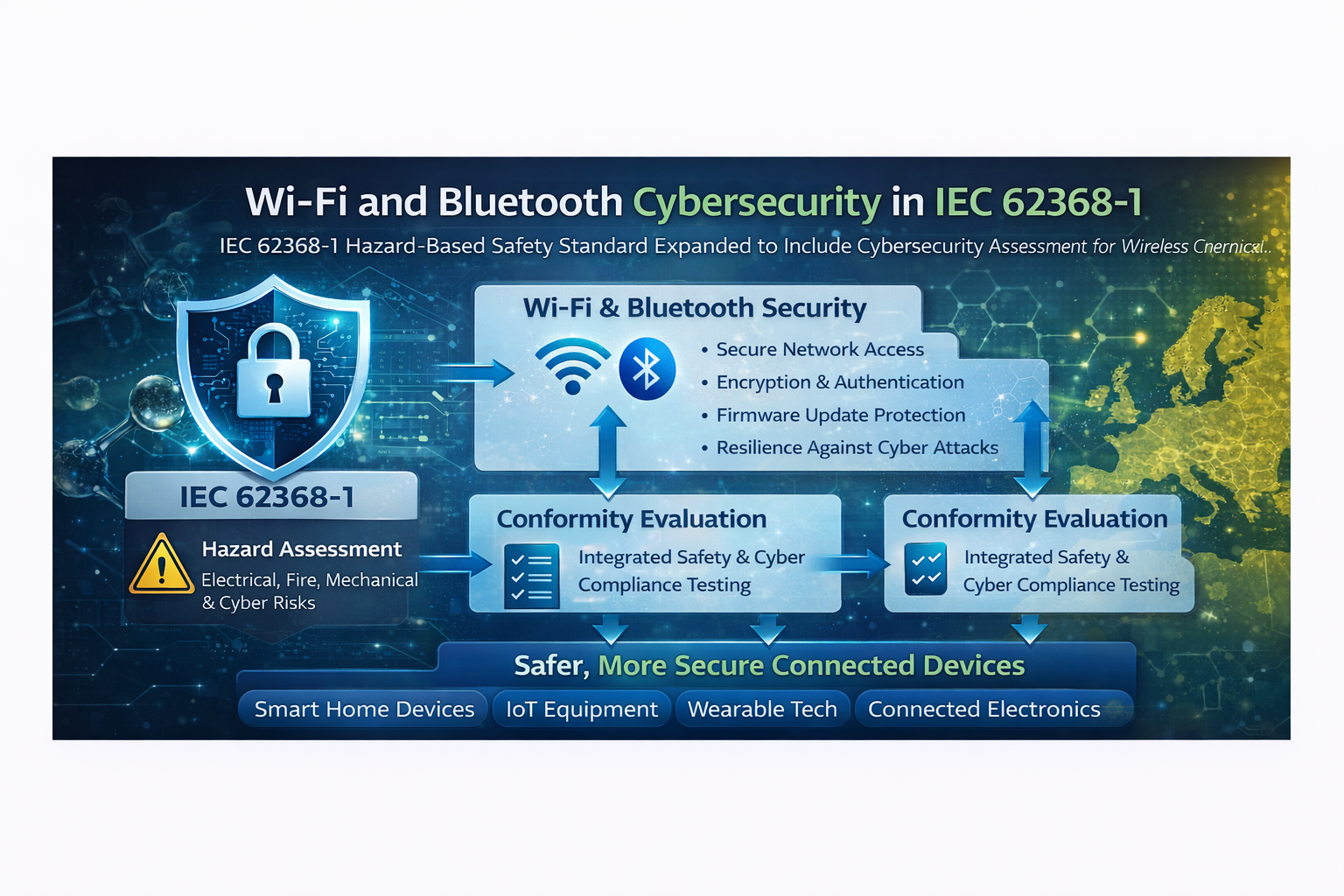
As connected devices proliferate in homes, offices, and industrial environments, the risks associated with insecure wireless communication have grown significantly. Standards organizations are responding by evolving safety standards to incorporate not only traditional electrical and mechanical hazards but also cybersecurity risks. A key development in this area is the planned integration of Wi-Fi and Bluetooth cybersecurity considerations into IEC 62368-1, the international hazard-based standard for audio/video, information, and communication technology equipment.
IEC 62368-1 has historically focused on electrical safety, fire hazards, mechanical integrity, and energy-related risks. However, with the rise of Internet-of-Things (IoT) devices, smart home appliances, wireless peripherals, and industrial sensors, the standard is evolving to recognize that a security breach can directly impact device safety. For example, a hacked Wi-Fi router or Bluetooth-controlled device could be forced into unsafe operation, create overheating risks, or compromise user data in ways that indirectly endanger users.
The new cybersecurity considerations under IEC 62368-1 will likely include network access controls, encrypted communications, secure firmware update mechanisms, authentication requirements, and protection against unauthorized remote control. Wi-Fi and Bluetooth modules, which are widely used in connected consumer electronics, will need to meet defined security performance levels, just as other components are tested for electrical or mechanical hazards. This approach integrates safety-by-design with cybersecurity-by-design, ensuring that devices are evaluated for both physical hazards and potential network-based threats.
Incorporating wireless cybersecurity into IEC 62368-1 represents a broader trend in global safety standards: digital connectivity is now recognized as a potential safety hazard. Manufacturers of smart devices, wearables, routers, and industrial IoT equipment will need to update their risk assessments and technical files to demonstrate compliance. This includes considering threat modeling, attack resilience, and secure communication channels, alongside traditional tests such as electrical, thermal, and mechanical safety.
For engineers and product designers, this means that designing secure Wi-Fi and Bluetooth interfaces is no longer optional for compliance. Testing labs and conformity assessment bodies will begin to evaluate the effectiveness of cybersecurity measures as part of 62368-1 certification. Early integration of these requirements can reduce development delays and help ensure products are both safe and secure when deployed in real-world networked environments.
Overall, the incorporation of Wi-Fi and Bluetooth cybersecurity into IEC 62368-1 reflects the evolving understanding that safety and security are increasingly intertwined in modern connected electronics. Products that meet both electrical safety and cybersecurity criteria will not only comply with the latest international standards but also offer higher trust and protection for users in an increasingly connected world.

PFAS restriction under the REACH framework

REACH 4 February 2026 Candidate Update
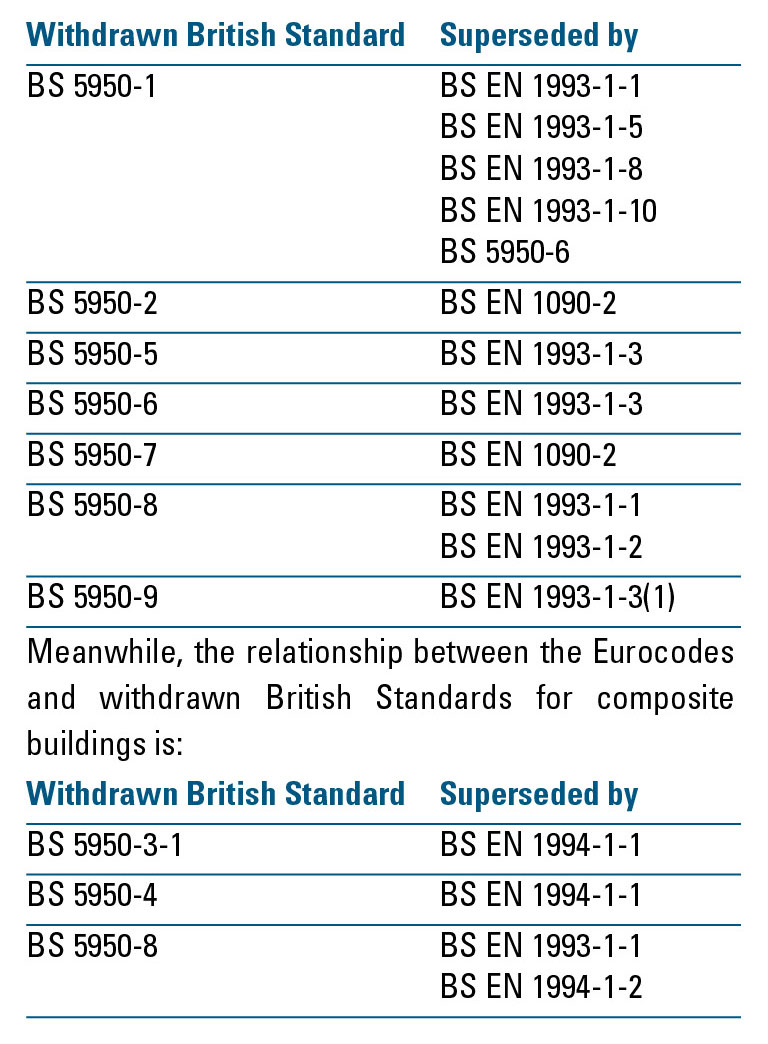
Recent EMC Standards Removed from the Harmonised List
Updated Standard

New and Revised Standards for EMC Measurements
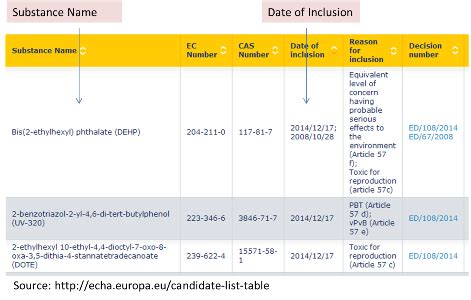
ECHA Publishes February 2026 REACH SVHC Update: Two New Substances Added
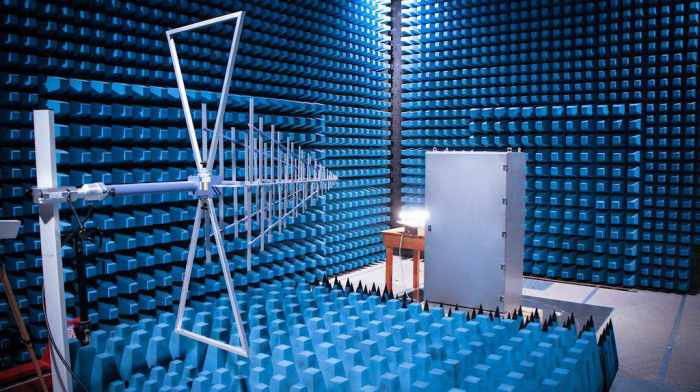
MC Test Lab Market Expected to Nearly Double in the Next Ten Years